Nov 16, 2026 Business
Turning Unwanted Jewellery Into Value With รับซื้อทอง Services
Gold has remained a treasured choice for people who appreciate beauty, craftsmanship, and long-term value. Whether selected for personal use, special occasions, or financial planning, purchasing gold thoughtfully can make the experience more rewarding. Understanding purity, weight, design, and market conditions helps buyers make confident decisions. When exploring options such as รับซื้อทอง, having a clear understanding of gold quality and valuation can also provide useful insight into making informed purchasing choices.
Checking Gold Purity and Authenticity
Purity is one of the most important considerations when selecting gold. It indicates how much pure gold is present in an item and helps determine its overall quality.
Important details to examine include:
- Karat classification and purity level
- Clearly marked purity stamps
- Reliable quality certificates
- Accurate weight measurements
- Consistent finishing and craftsmanship
- Proper documentation of the purchase
Paying attention to these details makes it easier to compare different gold products and select pieces that meet individual expectations.
Understanding Weight and Pricing

Gold prices are influenced by several factors, including market rates, purity, and item weight. Understanding these elements allows buyers to evaluate available options more effectively.
Before making a purchase, consider:
- Current gold market prices
- Total weight of the jewellery
- Additional making charges
- Applicable taxes and fees
- Final price per gram
- Available payment and billing details
Comparing these factors provides a clearer picture of the overall cost and supports better purchasing decisions.
Choosing Designs With Lasting Appeal
A beautiful gold item can remain meaningful for many years when its design suits personal preferences and everyday needs. Timeless styles often offer greater versatility because they complement different outfits and occasions.
Consider these design qualities:
- Simple and elegant patterns
- Durable construction
- Comfortable everyday designs
- Well-finished edges and surfaces
- Versatile traditional details
- Balanced decorative elements
Selecting jewellery that combines attractive styling with practical comfort can create lasting satisfaction.
Evaluating Long-Term Value
Gold purchases can serve different purposes, from personal enjoyment to wealth preservation. Buyers should understand that resale prices depend on purity, weight, prevailing market rates, and applicable deductions.
Useful considerations include:
- Retaining original purchase receipts
- Keeping purity certificates safely
- Understanding resale conditions
- Choosing recognized purity standards
- Reviewing buyback policies
- Storing jewellery carefully
These simple practices help maintain accurate purchase records and make future evaluations more convenient.
Making Confident and Thoughtful Gold Purchases
A successful gold purchase combines careful research, quality awareness, and personal preference. Taking time to compare available choices helps buyers identify pieces that offer appealing designs and dependable quality.
It is also beneficial to establish a comfortable budget before shopping and avoid rushing into decisions. By prioritizing authenticity, transparent pricing, suitable designs, and proper documentation, buyers can enjoy greater confidence in their selections. Thoughtful purchasing habits make gold ownership more meaningful while helping preserve the beauty and potential lasting value of every carefully chosen piece.
Nov 15, 2026 Business
Machine Safety Expertise Supports Successful Industrial Project Delivery
Successful industrial project delivery depends on effective planning, technical knowledge, and a strong commitment to workplace safety. Machinery plays an essential role in industrial operations, making safety expertise an important part of every project phase. Employees who understand equipment requirements, protective systems, and operational procedures can contribute more confidently to project activities. Developing these competencies encourages organized workflows, reliable equipment performance, and productive teamwork. By integrating machine safety into industrial planning, businesses can create efficient working environments and achieve consistent project outcomes.
Machine Safety Knowledge Strengthens Project Foundations
A strong safety foundation helps industrial teams understand machinery requirements before operational activities begin. Knowledge of equipment functions, potential hazards, and protective measures supports informed decisions throughout project development.
Professional learning opportunities such as Machineveiligheid training Haarlem help employees strengthen their technical understanding and develop practical competencies. This knowledge encourages responsible equipment handling while supporting successful coordination between engineering and operational teams.
Technical Expertise Improves Machinery Management
Understanding machinery components and protective systems allows employees to approach industrial responsibilities with greater confidence. Technical knowledge also supports effective equipment management and encourages consistent operational practices.
Essential machine safety competencies include:
- Hazard Identification: Recognizing potential machinery hazards supports informed decisions and responsible working practices.
- Machine Guarding: Understanding protective barriers encourages appropriate equipment operation.
- Emergency Systems: Learning emergency stop functions strengthens operational awareness.
- Equipment Inspection: Familiarity with inspection requirements supports dependable machinery performance.
- Maintenance Awareness: Understanding maintenance procedures contributes to equipment reliability.
Effective Planning Encourages Smooth Project Delivery
Industrial projects benefit from safety considerations throughout planning, installation, commissioning, and daily operations. Integrating protective requirements into project activities helps teams maintain clear responsibilities and coordinate technical tasks effectively.
Important planning considerations include:
- Reviewing machinery safety requirements before installation.
- Establishing clear equipment operating procedures.
- Coordinating responsibilities between technical teams.
- Identifying suitable protective measures for machinery.
- Including safety checks within project schedules.
These practices support organized project execution and encourage consistent performance across different operational activities.
Employee Training Builds Confident Industrial Teams
Well-trained employees contribute significantly to successful industrial project delivery. Practical education helps workers understand equipment functions, follow established procedures, and communicate relevant safety information with colleagues.
Regular training also encourages professional development and strengthens cooperation between departments. When employees share a common understanding of safety expectations, teams can coordinate activities more effectively and maintain productive working relationships.
Collaboration Supports Reliable Engineering Outcomes
Industrial projects involve different technical responsibilities that require effective communication and teamwork. Strong collaboration helps employees share knowledge, understand project requirements, and maintain consistent safety practices.
Businesses can encourage productive teamwork through:
- Regular machinery safety discussions.
- Clear communication of operational responsibilities.
- Practical demonstrations of protective procedures.
- Knowledge-sharing sessions between departments.
- Continuous feedback on workplace practices.
Continuous Improvement Creates Lasting Project Value
Machine safety expertise contributes value beyond individual project milestones. Ongoing education, technical development, and consistent evaluation help industrial teams maintain reliable working practices while preparing for future operational requirements.
A commitment to continuous improvement encourages businesses to strengthen machinery management, support employee confidence, and maintain organized project environments. Combining technical expertise with practical safety education creates a strong foundation for industrial success. Through responsible planning, effective teamwork, and reliable equipment practices, businesses can achieve smoother project delivery while promoting productivity, operational consistency, and long-term engineering excellence.
Nov 13, 2026 Business
Understanding Allulose Composition, Sweetness, and Food Applications
Allulose is gaining recognition as a versatile sweetening ingredient that supports the development of reduced-sugar food products. Its distinctive composition, pleasant sweetness, and functional characteristics make it an appealing option for food manufacturers. As consumer interest in balanced eating continues to grow, understanding how allulose works can help create enjoyable products while maintaining desirable taste, texture, and overall quality.
1. Understanding the Composition of Allulose
Allulose is a naturally occurring rare sugar classified as a monosaccharide. Its molecular structure is closely related to fructose, giving it several useful properties for food formulation.
Key characteristics of its composition include:
- Simple sugar structure: Allulose contains a straightforward molecular arrangement that contributes to its sweetening functionality.
- Low-calorie contribution: It provides considerably fewer calories than conventional sugar, supporting reduced-calorie product development.
- Natural occurrence: Small quantities are found in certain foods, making it an interesting ingredient for modern food applications.
- Functional versatility: Its chemical properties allow it to participate in different formulation processes.
- Excellent compatibility: It can complement various ingredients used in bakery, confectionery, and beverage preparations.
Understanding these characteristics helps manufacturers explore new possibilities for creating appealing reduced-sugar formulations.
2. Sweetness Profile and Taste Characteristics
Sweetness is an important consideration when selecting an alternative sweetening ingredient. Allulose offers a pleasant taste profile that closely resembles traditional sugar while delivering a slightly lower sweetness intensity.
Its sensory qualities provide several advantages:
- Clean sweetness: It offers a smooth taste without a strong lingering aftertaste.
- Balanced flavour: Its sweetness complements other ingredients without overpowering their natural flavours.
- Sugar-like experience: It helps maintain familiar sweetness in different food preparations.
- Formulation flexibility: It can be combined with other sweeteners to achieve preferred sweetness levels.
- Improved product appeal: Its pleasant sensory characteristics support the development of enjoyable reduced-sugar options.
For additional insight into sweetener characteristics, exploring https://www.saigaoingredients.com/blogs/allulose-vs-sucralose/ can help explain important differences between alternative sweetening ingredients.
3. Applications Across Different Food Categories
Allulose offers valuable functionality across several food categories, allowing manufacturers to experiment with recipes and develop innovative products.
Common applications include:
- Bakery products: Supports browning, moisture retention, and desirable texture in cookies, cakes, and pastries.
- Confectionery: Contributes sweetness and formulation flexibility in chocolates, candies, and dessert preparations.
- Dairy products: Can be incorporated into yogurts, frozen desserts, and flavoured dairy formulations.
- Beverages: Provides sweetness in ready-to-drink beverages, powdered mixes, and other drink preparations.
- Sauces and dressings: Helps create balanced flavour profiles in different savoury applications.
- Frozen treats: Supports enjoyable sweetness and contributes to the overall characteristics of frozen formulations.
4. Supporting Future Food Innovation
The combination of composition, sweetness, and functional versatility makes allulose an interesting ingredient for evolving food formulations. Manufacturers can evaluate its performance according to specific processing requirements, ingredient combinations, and desired sensory qualities.
With thoughtful formulation and appropriate ingredient selection, allulose can support a broad range of reduced-sugar innovations. Its ability to contribute sweetness while offering useful functional properties creates exciting opportunities for developing delicious, appealing, and versatile food products.
Nov 10, 2026 Business
Selecting Solenoid Valve Types Based on Operating Conditions
Choosing suitable solenoid valves is essential for maintaining efficient fluid control and dependable equipment performance. Different applications involve varying pressure levels, temperatures, flow requirements, and operating cycles. Selecting the right valve according to these conditions helps create smooth operations and supports consistent system functionality. A well-matched valve also improves automation accuracy and allows equipment to perform its intended tasks efficiently.
Before making a selection, manufacturers should evaluate the working environment and understand the specific requirements of the application. This approach makes it easier to identify suitable valve configurations and achieve reliable performance.
Evaluating Different Solenoid Valve Types
Solenoid valves are available in several configurations, each designed to support particular operating requirements. Understanding their characteristics helps simplify the selection process.
Common options include:
- Direct-acting valves: Provide reliable operation for applications with suitable pressure conditions.
- Pilot-operated valves: Support larger flow capacities by using system pressure.
- Two-way valves: Control fluid movement through opening and closing functions.
- Three-way valves: Direct flow between different passages for flexible control.
- Four-way valves: Support directional control in pneumatic applications.
- Normally closed valves: Keep the flow passage closed when electrical power is unavailable.
- Normally open valves: Maintain an open flow passage in their unpowered condition.
Reviewing these configurations helps identify the most appropriate solution for specific equipment requirements.
Considering Pressure and Flow Conditions
Pressure and flow capacity are important factors when selecting a solenoid valve. Each application requires a valve that can manage the expected operating pressure while delivering the necessary flow rate.
Important considerations include:
- Minimum and maximum working pressure.
- Required flow capacity.
- Pressure difference across the valve.
- Fluid movement and directional requirements.
- Expected operating frequency.
- Connection size and installation arrangement.
Understanding these factors helps maintain balanced fluid distribution and supports consistent equipment operation. Manufacturers can also refer to technical specifications to compare available configurations and identify suitable solutions.
Matching Materials With Operating Environments
Material compatibility contributes significantly to valve performance and service life. The valve body, internal components, and sealing materials should suit the fluid and surrounding operating conditions.
Consider the following aspects:
- Fluid compatibility: Select materials suitable for the controlled medium.
- Temperature resistance: Match components with expected temperature ranges.
- Corrosion resistance: Choose appropriate materials for long-term durability.
- Seal performance: Ensure dependable sealing during regular operation.
- Environmental protection: Consider moisture, dust, and surrounding conditions.
These details help create reliable installations and support consistent performance.
Improving Automation and Energy Efficiency
Electrical requirements and switching characteristics also influence valve selection. Proper voltage compatibility, response time, and control arrangements help pneumatic and fluid systems operate smoothly.
Exploring different types in https://www.vincervalve.com/solenoid-valve-types/ provides useful guidance when comparing designs and understanding their operating characteristics.
Modern selections can support several advantages:
- Accurate automated control.
- Consistent switching performance.
- Efficient fluid management.
- Flexible equipment integration.
- Reduced unnecessary energy consumption.
- Convenient inspection and maintenance.
Supporting Long-Term Equipment Performance
Selecting solenoid valves according to actual operating conditions creates a strong foundation for dependable manufacturing processes. By evaluating pressure, temperature, flow capacity, material compatibility, and electrical requirements, manufacturers can identify suitable solutions for their applications. Careful selection, proper installation, and regular maintenance further support operational efficiency, equipment reliability, and consistent performance over time.
Nov 10, 2026 Business
Understanding the Role of Surge Protection Devices
Electrical systems depend on a stable power supply to support everyday activities, operate equipment, and maintain consistent performance. However, sudden voltage increases can affect electrical installations and connected devices. Surge protection devices play an important role in managing these temporary voltage disturbances by helping limit excessive electrical energy. Understanding their purpose, functionality, and applications allows property owners and businesses to make informed decisions about electrical safety and equipment protection.
What Are Surge Protection Devices?
Surge protection devices are electrical safety components designed to protect installations against temporary voltage spikes. These increases can occur because of switching operations, lightning-related disturbances, or changes within electrical distribution systems.
Their primary functions include:
- Limiting excessive voltage reaching connected equipment.
- Redirecting unwanted surge energy through an appropriate protective path.
- Supporting the protection of sensitive electrical components.
- Reducing potential equipment damage caused by transient disturbances.
- Improving the overall reliability of electrical installations.
How Surge Protection Devices Work
A surge protection device monitors electrical conditions and responds when voltage exceeds its specified operating threshold. Depending on its design, it can divert excess current or limit the voltage appearing across protected equipment.
Several important elements contribute to its operation:
- Voltage-sensitive components: Respond to temporary increases in electrical voltage.
- Protective pathways: Provide a route for diverting unwanted surge current.
- Disconnection mechanisms: Help isolate a device when its protective components reach the end of their service life.
- Status indicators: Provide useful information about the device’s operating condition.
These features contribute to dependable protection when devices are correctly selected and installed.
Common Applications Across Electrical Systems
Surge protection devices can support various residential, commercial, and industrial applications. Their selection depends on the electrical installation, equipment sensitivity, and expected exposure to transient disturbances.
Common applications include:
- Residential distribution boards and electrical panels.
- Commercial lighting and power distribution systems.
- Industrial control panels and production equipment.
- Communication and data transmission installations.
- Renewable energy electrical systems.
- Sensitive electronic equipment and monitoring devices.
For additional technical information and product-related guidance, exploring resources such as https://lsp.global/de/ can help readers understand different surge protection considerations and available solutions.
Important Factors When Choosing Protection
Selecting an appropriate surge protection device requires attention to several technical characteristics. A suitable choice helps ensure compatibility with the electrical installation and its protective requirements.
Consider these important factors:
- Voltage rating: Match the device with the system’s operating voltage.
- Discharge capacity: Evaluate its ability to handle expected surge currents.
- Protection level: Consider the voltage that may remain across connected equipment.
- Installation type: Choose a device designed for the intended electrical arrangement.
- Safety certification: Review applicable standards and product documentation.
- Maintenance requirements: Check status indicators and manufacturer recommendations.
Building Greater Electrical Reliability
Surge protection is an important part of a comprehensive electrical safety strategy. Properly selected devices, professional installation, suitable grounding, and periodic inspections work together to support effective protection.
By understanding how these devices operate and where they provide value, individuals and businesses can make more informed electrical planning decisions. Integrating appropriate surge protection into electrical systems supports equipment longevity, operational continuity, and greater confidence in everyday power usage
Nov 04, 2026 Business
Hydraulic Repair Guides Encourage Efficient Machinery Operation
Hydraulic systems play an essential role in agricultural machinery by supporting lifting, steering, movement, and other important operational functions. Maintaining these systems properly helps equipment deliver consistent performance during demanding agricultural activities. Detailed hydraulic repair guides provide valuable technical information that helps operators understand system components, identify maintenance requirements, and improve servicing practices. With clear explanations, practical illustrations, and useful repair recommendations, these resources encourage efficient machinery operation and support long-term equipment reliability.
Understanding Hydraulic System Components
Hydraulic repair guides explain the functions of different components and demonstrate how they work together to generate and control mechanical power. This information helps operators develop a better understanding of hydraulic arrangements and their contribution to equipment performance.
Important component information includes:
- Hydraulic pump functions and operating principles.
- Cylinder structures and movement characteristics.
- Control valve arrangements and fluid regulation.
- Hose connections and pressure distribution.
- Reservoir functions and hydraulic fluid requirements.
Understanding these components supports accurate inspections and encourages effective equipment maintenance.
Simplifying Hydraulic Troubleshooting Activities
Clear repair information makes hydraulic system troubleshooting more organized and convenient. Detailed explanations help operators examine individual components, understand pressure-related functions, and recognize areas that require attention. Illustrated references also make technical information easier to understand.
Useful troubleshooting guidance covers:
- Hydraulic pressure inspection recommendations.
- Fluid circulation and flow evaluation.
- Hose and connection examination.
- Cylinder movement and performance assessment.
- Control valve operation and adjustment details.
These references encourage a systematic approach to equipment servicing and help improve repair confidence.
Supporting Regular Preventive Maintenance
Consistent hydraulic maintenance contributes to smooth machinery operation and dependable system performance. Repair guides provide essential information about inspection schedules, fluid care, and component servicing. Following appropriate maintenance recommendations helps preserve hydraulic efficiency and supports the working life of important equipment parts.
Common maintenance requirements include:
- Checking hydraulic fluid levels regularly.
- Inspecting hoses for proper connections.
- Maintaining clean hydraulic filters.
- Examining seals and fittings during inspections.
- Following recommended fluid replacement intervals.
These practices promote better equipment care and help maintain consistent operating conditions.
Improving Repair Accuracy Through Technical References
Accurate technical information helps operators understand hydraulic arrangements and perform maintenance activities with greater confidence. Detailed diagrams, component specifications, and servicing explanations make complicated systems easier to understand. Resources such as the John Deere Tractor Service Manual provide useful technical references for learning about machinery components and their maintenance requirements.
Valuable documentation features include:
- Detailed hydraulic circuit illustrations.
- Component specifications and technical descriptions.
- Pressure measurement reference information.
- Assembly and disassembly explanations.
- Recommended servicing procedures.
Access to these details encourages informed maintenance decisions and supports accurate repair activities.
Enhancing Machinery Productivity and Performance
Well-maintained hydraulic systems contribute to reliable equipment operation across different agricultural applications. Proper technical guidance helps operators maintain essential functions while improving their understanding of machinery requirements. Organized repair references also make workshop activities more convenient and productive.
Additional benefits include:
- Better understanding of hydraulic performance.
- Improved maintenance planning and organization.
- More effective equipment inspections.
- Consistent hydraulic system functionality.
- Greater confidence during servicing activities.
Encouraging Long-Term Equipment Reliability
Hydraulic repair guides bring together essential technical knowledge, inspection information, and practical maintenance recommendations. Their clear explanations help operators maintain hydraulic components and understand the requirements of different machinery systems. By using reliable documentation and following suitable servicing practices, equipment owners can encourage efficient operation, support consistent performance, and improve long-term machinery reliability. A well-informed maintenance approach ultimately contributes to productive agricultural activities and dependable equipment management.
Oct 30, 2026 Business
Early Solenoid Valve Diagnosis Supports Better Industrial Equipment Performance
Industrial equipment relies on consistent fluid control, accurate pressure regulation, and dependable automation to maintain smooth operations. Solenoid valves play an essential role in managing these functions by controlling the movement of liquids and gases through automated electrical signals. Identifying minor performance changes early helps maintenance teams improve equipment reliability, maintain production quality, and support long-term operational efficiency.
Importance of Early Solenoid Valve Diagnosis
Regular monitoring helps identify developing concerns before they affect the overall equipment performance. A proactive maintenance approach also encourages better resource management and creates a more dependable industrial working environment.
- Improved Equipment Reliability: Early identification helps maintain consistent valve operation and supports uninterrupted machinery performance.
- Reduced Maintenance Expenses: Addressing minor concerns prevents unnecessary component damage and expensive emergency repairs.
- Better Production Consistency: Proper valve functionality supports accurate fluid movement and reliable production processes.
- Extended Component Lifespan: Timely maintenance reduces excessive strain on internal components and electrical connections.
Recognizing Common Solenoid Valve Warning Signs
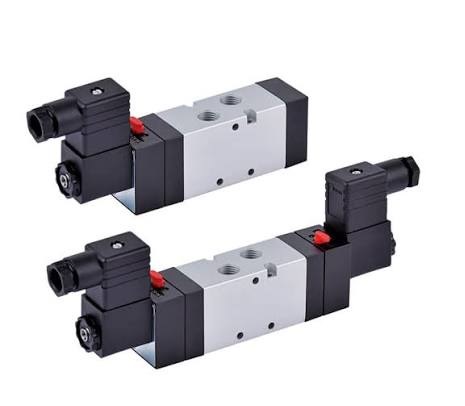
Solenoid valves often provide noticeable indications when their performance begins to change. Observing these signals helps maintenance professionals understand equipment conditions and arrange timely inspections.
- Unusual Buzzing Sounds: Continuous humming or excessive vibration may indicate electrical irregularities or internal movement restrictions.
- Delayed Valve Response: Slower opening and closing operations can affect production timing and automated equipment coordination.
- Visible Fluid Leakage: Small leaks around seals or connections may indicate wear and require appropriate attention.
- Excessive Coil Temperature: Unusual heating can suggest voltage variations, electrical problems, or operating conditions that need evaluation.
- Inconsistent Fluid Flow: Unexpected flow variations may indicate contamination, pressure differences, or internal component concerns.
Understanding Factors That Influence Valve Performance
Several operating conditions contribute to solenoid valve efficiency. Understanding these factors helps maintenance teams maintain suitable working conditions and support dependable equipment operation.
- Electrical Supply Stability: Consistent voltage supports reliable electromagnetic activation and smooth valve movement.
- Fluid Cleanliness: Effective filtration minimizes contamination that could restrict internal passages and moving components.
- Material Compatibility: Appropriate valve body and seal materials support dependable operation under different fluid conditions.
- Operating Pressure: Maintaining suitable pressure levels encourages accurate actuation and consistent flow regulation.
Benefits of Consistent Preventive Maintenance
A well-planned maintenance routine creates opportunities to improve equipment availability while maintaining stable operating conditions. Regular inspections also help identify developing concerns before they influence connected machinery.
- Inspect electrical connections and wiring for secure installation and reliable power delivery.
- Examine seals, connectors, and valve bodies for early signs of deterioration.
- Monitor operating sounds and temperature changes during routine equipment inspections.
- Maintain suitable filtration to protect internal valve components from unwanted particles.
- Review operating pressure and temperature to ensure appropriate working conditions.
Supporting Better Industrial Performance Through Timely Diagnosis
Effective diagnosis encourages smarter maintenance decisions and strengthens overall equipment management. When technicians understand early warning signs, they can identify potential concerns, select suitable maintenance solutions, and maintain dependable operating conditions.
Additional technical insights about https://www.vincervalve.com/solenoid-valve-failure-symptoms/ can help maintenance professionals understand common performance irregularities and recognize opportunities for timely attention.
Conclusion
Early solenoid valve diagnosis is a valuable part of maintaining efficient industrial equipment. Consistent inspections, proper component selection, suitable operating conditions, and preventive maintenance collectively support reliable fluid control and improved machinery performance. By giving attention to small operational changes, industries can strengthen equipment longevity, encourage productivity, and create a more efficient maintenance environment. A proactive approach ultimately contributes to smoother operations and sustainable industrial performance.
Oct 30, 2026 Business
Environmental Monitoring Supports Consistent Progress Across Restoration Projects
Successful environmental restoration requires careful planning, reliable information, and continuous evaluation of project activities. Environmental monitoring plays an important role in understanding changing site conditions and measuring the effectiveness of restoration efforts. Through regular inspections, accurate sampling, and detailed analysis, environmental professionals can make informed decisions that support project objectives. Consistent monitoring also encourages responsible resource management, improves coordination, and helps restoration teams achieve meaningful environmental improvements while supporting long-term sustainability.
Regular Site Monitoring Encourages Better Project Management
Consistent site evaluations provide valuable information about environmental conditions throughout restoration activities. Professional monitoring helps project teams understand ongoing changes, review completed activities, and identify opportunities for improvement. This approach supports organized workflows and encourages steady progress toward restoration goals.
- Conduct routine environmental site inspections.
- Observe changes in existing site conditions.
- Document restoration activities and findings.
- Evaluate progress against established project objectives.
- Maintain clear environmental monitoring records.
Soil Monitoring Supports Effective Restoration

Soil quality plays an important role in environmental recovery and future property usability. Regular soil sampling and laboratory analysis help professionals understand changing conditions and evaluate the effectiveness of selected treatment methods. These insights support informed decisions throughout restoration projects.
- Collect representative soil samples regularly.
- Evaluate soil quality through appropriate testing.
- Monitor changes in contaminant concentrations.
- Assess treatment effectiveness over time.
- Identify opportunities for improved soil management.
Groundwater Monitoring Strengthens Environmental Protection
Groundwater monitoring provides essential information about subsurface environmental conditions during restoration activities. Regular sampling helps professionals evaluate water quality, understand changing conditions, and assess the performance of remediation measures. This information supports responsible water resource management and long-term environmental protection.
- Conduct scheduled groundwater sampling activities.
- Evaluate important water quality characteristics.
- Monitor groundwater conditions across selected locations.
- Review treatment performance through analytical results.
- Maintain accurate groundwater monitoring documentation.
Data Analysis Supports Informed Restoration Decisions
Reliable monitoring information helps environmental professionals understand project performance and determine suitable improvements. Organized data analysis makes it easier to identify trends, compare results, and communicate important findings. These insights encourage effective planning and support confident restoration decisions.
- Compare current findings with previous results.
- Identify meaningful environmental trends.
- Evaluate restoration performance using reliable data.
- Prepare clear technical monitoring reports.
- Support timely adjustments to project activities.
Customized Monitoring Improves Project Coordination
Every restoration project involves different environmental conditions, treatment requirements, and performance objectives. Customized monitoring programs help teams collect relevant information according to individual project needs. This flexibility encourages efficient coordination and supports consistent progress throughout restoration activities.
- Develop monitoring plans for specific site conditions.
- Select suitable sampling locations and schedules.
- Coordinate monitoring with remediation activities.
- Establish measurable environmental performance targets.
- Communicate findings with relevant project professionals.
Professional Monitoring Encourages Long-Term Environmental Success
Environmental monitoring provides valuable support beyond immediate cleanup activities. Continued evaluations help confirm restoration progress, maintain environmental records, and guide future property management decisions. Professionals can explore additional environmental restoration information through https://www.fullterra.com/environmental-remediation/.
Supporting Sustainable Outcomes Through Consistent Monitoring
Effective environmental monitoring strengthens restoration projects through reliable information, regular evaluations, and informed decision-making. By combining soil and groundwater assessments with detailed data analysis, project teams can improve treatment strategies and maintain steady progress. These practices encourage responsible environmental management, support healthier surroundings, and create lasting opportunities for successful property restoration.
Oct 29, 2026 Business
Professional Climate Control Solutions Enhance Comfort Across Different Properties
Creating a comfortable indoor environment is essential for maintaining enjoyable living spaces and productive working conditions. Modern climate control solutions help property owners maintain pleasant temperatures, balanced airflow, and consistent indoor comfort throughout changing seasons. Professional services provide valuable support through expert installation, regular maintenance, and customized system recommendations. With suitable climate control arrangements, residential and commercial properties can enjoy improved comfort, efficient operation, and dependable indoor temperature management.
Customized Climate Control Supports Every Property
Different properties have unique cooling and heating requirements depending on their layouts, occupancy, and everyday activities. Professional technicians evaluate these requirements and recommend suitable solutions that support consistent temperature distribution. Customized arrangements help create comfortable environments while making effective use of available equipment.
- Evaluate property layouts for suitable system selection.
- Recommend appropriate cooling and heating capacities.
- Support balanced temperature distribution across rooms.
- Consider individual comfort preferences and requirements.
- Provide customized solutions for different property types.
Professional Installation Encourages Reliable Performance

Proper installation plays an important role in achieving dependable climate control performance. Experienced technicians consider equipment placement, ventilation requirements, and system compatibility to establish effective operation. Quality installation also supports consistent airflow and helps property owners enjoy comfortable indoor environments.
- Ensure suitable equipment positioning and installation.
- Examine ventilation arrangements for effective airflow.
- Connect essential components with professional attention.
- Configure thermostats for convenient temperature management.
- Verify system functionality after installation.
Energy Efficiency Improves Everyday Comfort
Efficient climate control systems help maintain comfortable indoor temperatures while supporting responsible energy consumption. Professional recommendations and regular servicing can improve system operation and encourage balanced performance. These benefits contribute to pleasant surroundings and support more effective property management.
- Maintain clean filters for improved air circulation.
- Inspect system components for efficient operation.
- Optimize temperature settings for everyday requirements.
- Maintain insulation and ventilation effectiveness.
- Schedule routine servicing to support performance.
Indoor Air Quality Creates Healthier Living Spaces
Comfortable indoor environments benefit from proper ventilation and well-maintained air conditioning equipment. Professional climate control services help maintain clean system components and support effective air circulation. These improvements contribute to fresher indoor surroundings across residential and commercial properties.
- Clean or replace filters according to requirements.
- Maintain accessible air conditioning components.
- Inspect ventilation pathways for proper circulation.
- Support balanced airflow throughout indoor spaces.
- Maintain drainage systems for dependable operation.
Maintenance Services Protect Long-Term System Value
Regular professional maintenance helps climate control equipment remain dependable throughout its operating life. Technicians inspect important components, evaluate performance, and recommend suitable maintenance activities. Consistent attention supports reliable operation and helps property owners maintain their investment.
- Arrange periodic professional system inspections.
- Check electrical connections and essential components.
- Monitor cooling and heating performance.
- Address maintenance requirements promptly.
- Follow recommended equipment care schedules.
Professional Climate Solutions Deliver Lasting Comfort
Reliable climate control creates welcoming indoor spaces while supporting everyday convenience and productivity. Property owners seeking professional assistance can explore available services through https://coolcrewatx.com/leander/. With customized solutions, quality installation, and consistent maintenance, different properties can benefit from dependable temperature management, improved efficiency, and lasting indoor comfort throughout the year.
Oct 23, 2026 Games
Modern Gaming Platforms Connect Entertainment With Innovative Technology
Modern gaming experiences combine creativity, interactive design, and technological innovation to deliver enjoyable digital entertainment. Advanced graphics, responsive controls, and engaging features help players explore imaginative environments while enjoying smooth interactions. As technology continues to evolve, gaming becomes more accessible, personalized, and visually engaging, offering diverse opportunities for entertainment enthusiasts to discover new experiences and enjoy their leisure time.
Enhancing Entertainment Through Advanced Technology
Technological improvements help create interactive environments that respond naturally to player actions. Refined controls, detailed visuals, and efficient performance contribute to enjoyable experiences that encourage exploration and participation.
These developments also allow designers to introduce creative features that make digital entertainment increasingly engaging and versatile.
- Enjoy responsive controls for comfortable interactions.
- Explore detailed environments with appealing visual effects.
- Experience smooth transitions between interactive scenes.
- Discover innovative mechanics that encourage participation.
- Appreciate improvements that support engaging entertainment.
Creating Immersive Visual Experiences

Visual innovation plays an important role in making gaming environments memorable. Realistic lighting, expressive animations, coordinated colors, and carefully designed surroundings help establish distinctive atmospheres that capture attention and stimulate imagination.
These visual elements work together to create experiences that feel cohesive, inviting, and enjoyable for different preferences.
- Explore environments featuring detailed visual elements.
- Appreciate creative character designs and animations.
- Enjoy lighting effects that enhance atmosphere.
- Discover imaginative scenery and distinctive themes.
- Experience visual storytelling through interactive surroundings.
Supporting Personalized Entertainment
Modern gaming experiences provide different themes, activities, and interaction styles to suit individual interests. This variety allows players to choose entertainment that matches their preferences, whether they enjoy creative exploration, strategic challenges, or story-driven adventures.
Personal choice makes leisure time more flexible while encouraging people to discover new forms of interactive entertainment.
- Select activities that reflect personal interests.
- Explore different themes and creative environments.
- Enjoy challenges suited to individual preferences.
- Discover new mechanics through experimentation.
- Create enjoyable routines around balanced leisure time.
Connecting Technology With Interactive Features
Innovative technology helps make gaming more engaging by connecting player actions with meaningful responses. Interactive mechanics, intelligent character behavior, and dynamic environments can create opportunities for experimentation and discovery.
Gaming terminology, including Call of Duty Cheat, may also appear in entertainment discussions, where readers can explore related terminology and learn about responsible approaches to gaming.
- Discover interactive features that respond to player choices.
- Explore mechanics that encourage thoughtful decisions.
- Appreciate environments with changing elements.
- Learn about different gaming concepts and terminology.
- Enjoy activities that reward curiosity and practice.
Encouraging Social Interaction And Creativity
Technology can also support shared entertainment by making communication and cooperation important parts of gaming. Players can exchange ideas, coordinate activities, and celebrate achievements while discovering common interests with others.
These social experiences add another dimension to entertainment by combining creative participation with positive communication and teamwork.
- Share experiences through friendly conversations.
- Cooperate on objectives that encourage teamwork.
- Exchange creative ideas and helpful suggestions.
- Celebrate achievements and collective progress.
- Appreciate different perspectives during group activities.
Exploring The Future Of Digital Entertainment
Ongoing technological innovation continues to create opportunities for more engaging, accessible, and imaginative gaming experiences. Improvements in visual design, interactive systems, and personalization can introduce fresh possibilities for entertainment enthusiasts. By bringing technology and creativity together, modern gaming offers enjoyable ways to explore new ideas, develop interests, and make leisure time more rewarding.